
Get Life Cover Options That Fit What It's For in Livingston, CA
Most people start by asking which policy to buy. We back up one step and look at what the money would have to pay for, and for how many years. Share a few short answers through our short form and you get term life or whole life options to weigh. We serve Livingston, Atwater, Winton and towns close by.
- No cost to you
- Nothing to buy by asking
- Two minutes of questions
- Decide in your own time
Coverage options for Livingston families
Answer six short questions and a licensed agent will follow up with options that fit your situation.
- Takes about two minutes
- No obligation to buy
- Your details stay private
Free, no obligation
See your coverage options
Six short questions. About two minutes.
Towns We Cover Around Livingston
We cover Livingston and nearby towns, including Winton, Delhi, Atwater, Hilmar-Irwin, McSwain, Turlock, Franklin, Denair, Merced and Newman. The questions are the same in each of them. So is the way your answers are handled.
- Livingston
- Winton
- Delhi
- Atwater
- Hilmar-Irwin
- McSwain
- Turlock
- Franklin
- Denair
- Merced
- Newman
Living in one town and working in another makes no difference to the questions we ask. The Service Areas page keeps the full list in one place.
Two Kinds of Policy, Two Different Jobs
Term life covers a fixed number of years you choose, such as the years a home loan is being paid down or the kids are still at home. If that stretch ends with no claim, the coverage simply ends. Whole life is meant to stay in force for as long as you live, and over time part of it grows into cash value, which the agent who contacts you can explain. Term Life Insurance and Whole Life Insurance each have their own page with the details.
Term Life Insurance
Coverage for a set number of years, often 10, 20 or 30, sized to the debts and the people who depend on your income.
Whole Life Insurance
How lifelong cover with cash value works, what shapes its price, and the questions worth asking before you choose a policy.

What Moves the Price of a Policy
Each policy is priced on the person who applies. The insurance company sets that price and decides on approval, and it weighs the same short list of things every time. Once you know them, it makes sense why two neighbors can see very different figures.
Nothing on these pages is a price, and sending your answers through our short form will not produce one. The agent who contacts you can explain how each of these factors applies to you.
- Age
- Price generally climbs with your age at the time you apply. The same coverage amount tends to cost less when bought sooner.
- Health
- The health questions on the application, and sometimes a medical exam, shape the price. Conditions you already manage still count, so answer them honestly.
- Tobacco use
- Using tobacco usually pushes the price up. The application asks about it plainly.
- Amount of coverage
- A bigger payout costs more to keep in force. Settling the amount first helps you avoid paying for more than you need, or carrying too little to do the job.
- Length of the term
- With term life, picking more years of coverage generally means a higher yearly cost than picking fewer, for the same amount, since the insurer is on the hook longer.
- Kind of policy
- For the same amount, whole life generally costs more than term. Part of what you pay goes toward coverage that never runs out, and part grows as cash value inside the policy. Term ends when its set years are up, which is a big reason it usually costs less.
Why We Begin With the Reason
A policy bought for the wrong job can cost too much or run out too soon. So we start by finding what the cover has to do, and the choice of policy follows from that.
The need comes before the product
Our questions ask about the people who rely on you and the bills that would remain. They do not ask which policy you like the sound of. That gives the first conversation something real to work from.
Plain words, nothing ranked
We explain terms like beneficiary, term length and cash value in everyday language. We do not rank policies or insurers, and we do not tell you what to buy.
You keep the decision
Sending your answers does not sign you up for anything. You can weigh options for a week or a month, talk it over at the kitchen table, and decide when you are ready.
Fewer surprises later
When the amount and the length are worked out before you apply, there is less to change once the health questions start. Small details count too. A beneficiary's name spelled right on day one saves trouble years later.
How It Works From First Answer to Decision
Four steps in all. The first one takes about two minutes, and the others move at whatever pace suits you.
- 1
Answer a few questions
Through our short form you share your state, a rough coverage amount, your marital status, the beneficiary you would name, your date of birth, and your name, phone and email.
- 2
A licensed agent follows up
An agent licensed in California who works your area reaches out with options. Expect questions about who leans on your income and which debts would need clearing.
- 3
You apply if you choose
If an option looks right, you fill out an application with health questions, and some insurers ask for a medical exam as well. A few policies need no exam at all. Those tend to cover less or come at a higher price than one with an exam.
- 4
The insurance company decides
The insurance company looks over each application and decides whether to offer coverage and on what terms. Then it is up to you whether to accept.

Questions People Ask Before They Start
- How much life insurance do people usually get?
- One rule of thumb people use adds a few years of income to whatever debts are still owed. It is a rough starting point, not advice for you. Here is an example: the 2023 Census survey puts the median household income in Livingston, CA at $76,158 and the median home value at $339,800. Five years of that income is $380,790, and if a mortgage balance matched that home value, the example would come to $720,590. Your own figure could land well above or below it.
- Do I need a medical exam?
- Sometimes. Most applications ask health questions, and some policies also call for a medical exam. Other policies skip the exam entirely. Those usually cost more or cover less, so it helps to know that trade before you choose.
- Can I cancel after the policy starts?
- Yes, within a window. Every policy comes with a free-look period of at least 10 days, and during it you can cancel for a refund. The exact length is printed in the policy, so look for it when the papers arrive.
- Is the payout taxed?
- A payout to a named beneficiary is generally not taxed as income under federal law. Each situation has its own wrinkles, though. Ask a tax adviser about your own case before counting on any particular result.
- How do people decide between term and whole life?
- Many people begin with how long the need will last. A mortgage or kids at home are needs with an end date, which is where term is commonly used. Funeral costs or money left to family have no end date, and that is where whole life is commonly weighed. The agent who contacts you can go through both, and the choice stays yours.
- Why do people buy life insurance?
- People commonly buy it to replace income the family counts on, clear a mortgage, cover children's costs, pay for a funeral or pass money on to family. Usually one or two of those reasons stand out above the rest. Once you name yours, the length and the amount get easier to sort out.
- Do I have to know the amount before I start?
- No. Put in a rough figure if you have one. The rule of thumb above can help you get close, and the agent who contacts you can talk through whether it fits what the money would need to cover.
- Am I agreeing to buy anything by sending my answers?
- No. Sending your answers carries no obligation to buy. You hear about options, ask anything you want, and can say no at any point before you sign.
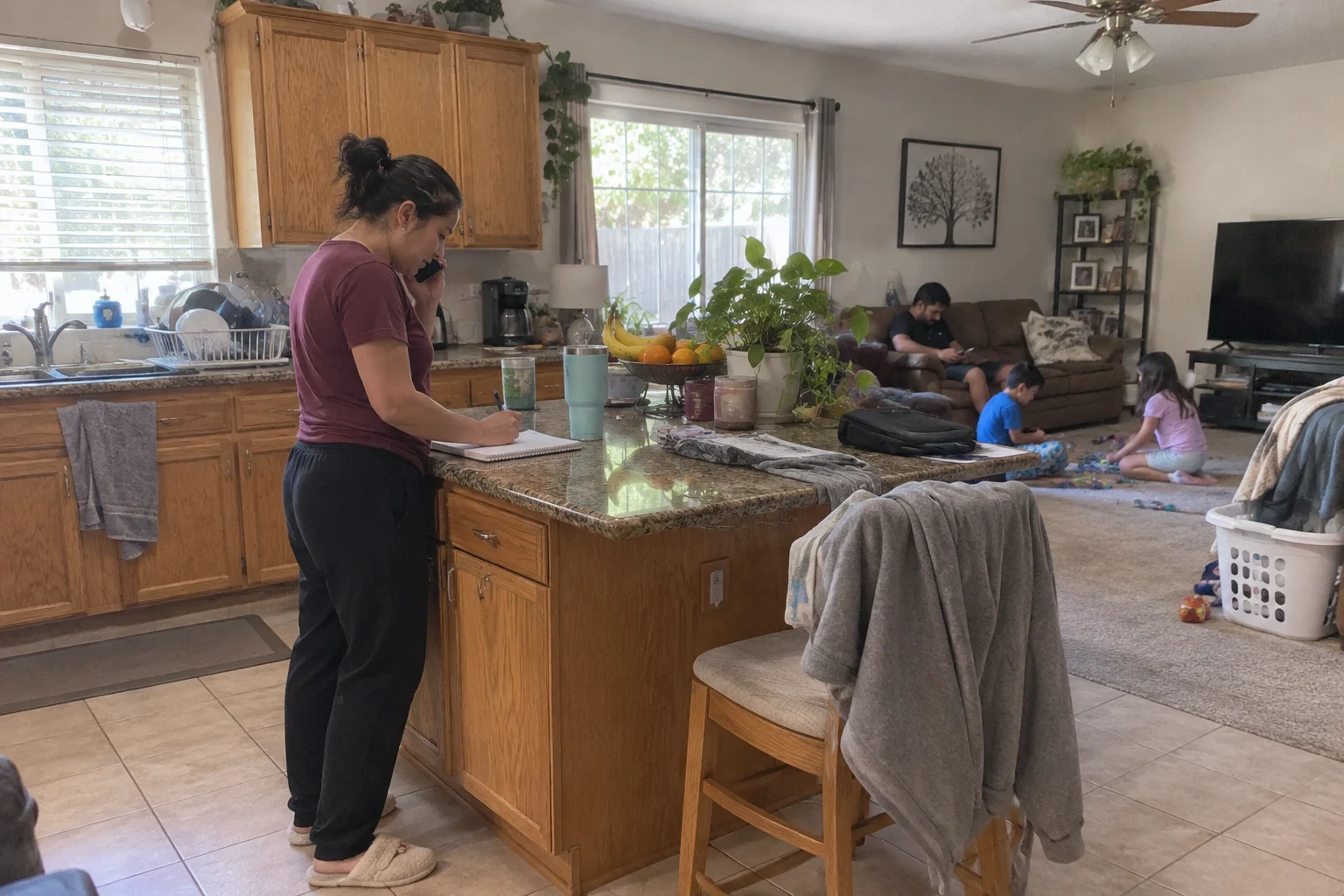
Who We Are and How We Help
Life Insurance Livingston is a free service that connects you with a licensed life insurance agent in California who works in your town. We are not an insurance company and we are not an agent. Selling policies, setting prices and issuing coverage all happen elsewhere, never with us.
We keep our role narrow by design. We explain the basics in everyday words and get your details to someone who can act on them. From there, the conversation is between you and the agent who reaches out, and every decision stays with you. The About page explains how your details are handled.

Begin With What the Money Must Do
Once you know what the cover is for, the length, the amount and the kind of policy get easier to sort. A few short answers are all it takes to start.